Dr Ashwin KR, Bengaluru is a senior surgical oncologist specializing in robotic surgery, HIPEC, PIPAC, breast, gastrointestinal and gynecological cancers. Contact 88840 09955 or 96201 70032

- Email Us: drashwinkr.oncology@gmail.com
- Call Us: 9620170032
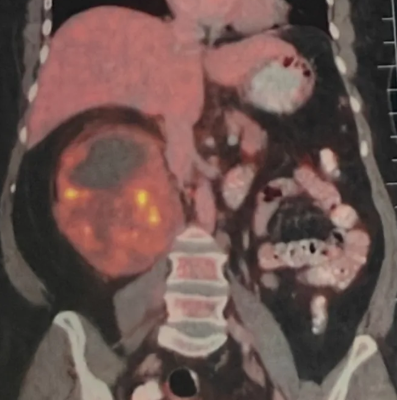
Detailed Evaluation and Personalized Surgical Planning
Retroperitoneal tumors develop in the space behind the abdominal cavity, where important blood vessels, organs, nerves, and other structures are located. These tumors may be benign or malignant, with sarcomas being among the important malignant types. Accurate diagnosis and treatment planning involve detailed imaging, such as CT or MRI, along with biopsy and pathological assessment when indicated. Understanding the tumor's size, location, extent, and relationship with surrounding structures is essential for determining the most appropriate surgical approach.
Specialized Surgery for Complex Retroperitoneal Tumors
Surgical removal is a key treatment option for many localized retroperitoneal malignancies. The procedure may involve complete tumor excision, sometimes requiring removal of adjacent organs or affected structures to achieve adequate surgical margins. Because these tumors can lie close to major blood vessels and vital organs, surgery requires meticulous planning and specialized expertise. The primary objective is to achieve the best possible cancer control while preserving essential organ function whenever feasible.
Multidisciplinary Management and Postoperative Care
Successful treatment of retroperitoneal tumors often requires a multidisciplinary team that may include surgical oncologists, vascular surgeons, medical oncologists, radiologists, and pathologists. Depending on the tumor type, grade, and extent, additional treatments may be considered on an individualized basis. After surgery, care focuses on pain management, nutritional recovery, monitoring for complications, and gradual return to daily activities. Regular follow-up with clinical assessments and appropriate imaging is important for monitoring recovery and detecting potential recurrence.
Location & Location Map
 Address
Aster Hospital, Whitefield, Bangalore Urban 560066, Karnataka
- Social Media Connect:


Working Hours
Contact Us
What We Offer
Contact Us
- Email: drashwinkr.oncology@gmail.com
- Phone: 9620170032
Social Media connect:


Website Powered by icareheal